

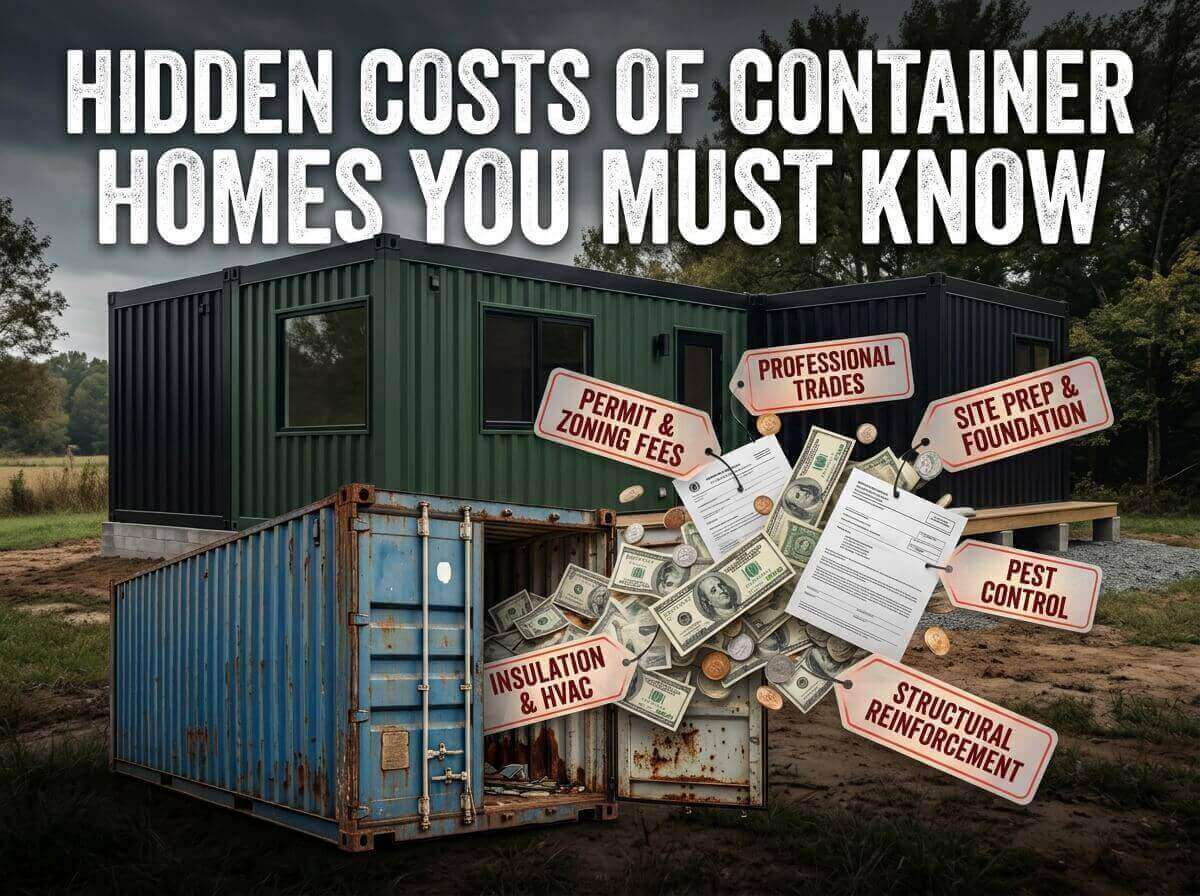
Hidden Costs of Container Homes: What You Must Know Before Building
In recent years, shipping container homes have captured the imagination of modern homebuyers, DIY enthusiasts, and eco-conscious builders around the world. Promoted across social media as an affordable, trendy, and sustainable alternative to traditional construction, container houses promise quick build times and sleek industrial aesthetics. However, many prospective builders jump into projects expecting rock-bottom prices, only to encounter unexpected expenses that quickly inflate their budgets.
While buying a used shipping container might only cost a few thousand dollars, turning that steel box into a comfortable, safe, and fully functional living space involves a wide range of hidden expenses. Before embarking on your build or choosing between custom builds and factory-made prefab houses, it is crucial to understand the complete financial picture. Here is a comprehensive breakdown of the hidden costs of container homes you must know before breaking ground.
1. Land Acquisition and Site Preparation Costs
Buying a plot of land is just the starting point. Many first-time builders assume that placing a portable building or container on a piece of property requires minimal groundwork. In reality, site preparation can be one of the most unpredictable expenses in alternative housing projects.
Land Surveying and Soil Testing
Before any construction begins, you must hire a professional surveyor to establish exact property lines and assess topographics. Additionally, soil testing (geotechnical engineering) is necessary to determine if the ground can support the concentrated weight of heavy steel containers. Soil reports can cost anywhere from $1,000 to $3,000, but skipping this step could lead to structural settling, shifting, or foundation failure later on.
Clearing, Grading, and Excavation
Raw land often requires significant work before it is build-ready. Tree removal, brush clearing, rock excavation, and slope grading are necessary to create a flat, stable pad for your container house. Depending on the terrain, vegetation density, and accessibility, site prep can easily add $3,000 to $10,000 or more to your total budget.
2. Foundation Requirements and Engineering
A common myth is that shipping containers can simply sit on flat dirt or gravel. Because containers are engineered to bear weight only at their four corner posts, placing them on uneven or soft ground will cause sagging, door misalignments, and structural instability.
Choosing the Right Foundation
The type of foundation required depends on your local climate, soil conditions, and container configuration:
- Concrete Pier Foundations: Often the most cost-effective option for single containers, piers support the main load-bearing corners. Expect to pay between $3,000 and $6,000.
- Strip Footings or Slab Foundations: If you are joining multiple containers to create a larger modular house, a full concrete slab or perimeter footing is usually required. Full concrete slabs routinely cost between $6,000 and $15,000 depending on square footage.
In addition to physical concrete work, hiring a licensed structural engineer to sign off on foundation plans for local permits will add another $1,500 to $3,500 to your upfront costs.
3. Delivery, Logistics, and Heavy Equipment Rental
Purchasing a container online might seem straightforward, but getting a multi-ton steel structure from a port or supplier to your specific site presents severe logistical hurdles.
Transportation and Mileage Fees
Shipping containers are moved via specialized flatbed trucks or tilt-bed trailers. Transport companies typically charge a base fee plus a per-mile rate. If your building site is remote or located far from a major shipping hub, freight fees can range from $1,000 to over $4,000 per container.
Crane Services and On-Site Handling
Once the truck arrives, you cannot simply slide a container onto its foundation if the access path is tight, muddy, or obstructed by trees and power lines. In these situations, hiring a mobile crane and a professional rigging crew is mandatory. Crane operators usually charge by the hour with minimum time requirements, adding $1,500 to $3,500 per day to your delivery tab.
4. Building Permits, Zoning Restrictions, and Impact Fees
Navigating municipal regulations is frequently cited by container home builders as their biggest obstacle. Traditional building codes were written for wood-frame homes, meaning container structures often face extra scrutiny from local planning boards.
Zoning and Minimum Square Footage Requirements
Many residential areas have strict minimum square footage requirements, height restrictions, or architectural design guidelines that ban exposed metal siding. Obtaining zoning variances or special use permits can lead to lengthy delays and legal fees.
Permit Fees and Architectural Stamps
To receive a building permit, local councils generally require detailed architectural blueprints stamped by a licensed engineer registered in your state or region. Custom drafting and engineering fees can cost between $2,000 and $6,000. Municipal permit fees, utility connection fees, and school impact taxes can easily add another $3,000 to $8,000 before construction even begins.
5. Structural Modifications and Steel Reinforcement
Shipping containers derive their incredible strength from their corrugated steel walls and corner castings. The moment you cut openings for doors, panoramic windows, or pass-through spaces between containers, you compromise the structural integrity of the entire shell.
Reinforcing Cut Openings
Every cut out must be reinforced with heavy-duty structural steel framing, such as steel tubing or I-beams, welded directly into the structure. The cost of raw steel, professional welding labor, and anti-corrosion treatments can quickly turn what seemed like a simple cut into a multi-thousand-dollar expense.
Rust Treatment and Prevention
Used shipping containers (often called “one-trip” or “multi-trip” containers) frequently have dents, scratches, and existing rust spotting. Treating rust, applying marine-grade primers, and sealing all seams to prevent future corrosion demands specialized materials and labor that many DIYers overlook.
6. Thermal Bridging, Insulation, and Climate Control
Steel is an exceptional conductor of heat and cold. Without high-performance insulation, a container house acts like an oven in the summer and an icebox in the winter. Furthermore, temperature differentials between the cold metal walls and warm interior air create severe condensation issues, leading to mold growth and structural rotting behind interior walls.
High-Performance Insulation Solutions
Standard fiberglass batt insulation is generally inadequate for steel containers because moisture can trap behind it. Instead, closed-cell spray foam insulation is the industry gold standard. Spray foam seals every crevice, prevents thermal bridging, and acts as a vapor barrier. However, applying closed-cell spray foam throughout a multi-container footprint usually costs between $3,000 and $8,000.
Specialized HVAC Systems
Because insulated steel boxes retain heat differently than traditional wood-frame houses, proper ventilation and climate control are essential. Installing ductless mini-split heat pumps and Energy Recovery Ventilators (ERVs) to maintain indoor air quality can add $3,000 to $7,000 to your mechanical installation budget.
7. Utility Hookups and Infrastructure
Bringing electricity, clean water, and waste management to your new structure involves significant utility investments, particularly if you are building in rural or semi-rural areas.
Connecting to Grid Utilities
Trenching cables, running water lines, and setting up an electrical panel tied to the grid requires licensed electricians and plumbers. Utility connection charges vary wildly by location:
- Electrical Hookup: $1,500 – $5,000 (more if utility poles must be added).
- City Water & Sewer Connections: $4,000 – $12,000 in municipal tap fees.
Off-Grid Systems
If you plan to place a portable building off-grid, upfront capital requirements are even higher. Installing a functional solar power array with battery storage, drilling a freshwater well, and installing an underground septic system can collectively cost between $25,000 and $50,000.
8. Interior Finishes and Custom Framing
The interior space inside a shipping container is narrow—typically just under 8 feet wide with an interior height of around 7 feet 10 inches (or 8 feet 10 inches for High Cube containers). Framing interior walls, running electrical conduit, and plumbing through these tight quarters requires careful skill and specialized techniques.
Standard home finishings do not get cheaper simply because the home is small. High-quality drywall, custom space-saving cabinetry, modern flooring, fixtures, and appliances cost just as much per item as they do in traditional homes. Interior framing and finishing for a complete container residence can easily account for 30% to 50% of your total budget.
Comparing Custom Container Builds with Factory-Built Prefab Options
When you add up site work, engineering, steel reinforcement, spray foam, crane hire, and interior fit-outs, a custom stick-built container home often ends up costing $150 to $250+ per square foot—approaching or even exceeding the cost of traditional construction.
This reality is driving many prospective homeowners to turn to factory-engineered alternatives offered by platforms like Trademola.com. Factory-built prefab houses, expandable modular houses, and flat-pack container houses offer several distinct advantages:
- Predictable Pricing: Pre-designed modular packages eliminate the surprise expenses associated with custom steel modification, structural welding, and retrofitted insulation.
- Pre-Engineered Compliance: Prefabricated units are designed to meet international building standards, simplifying the local permitting process.
- Built-In Insulation & Wiring: Factory-produced units come with pre-installed insulation, plumbing chases, and electrical wiring, dramatically cutting down on expensive field labor.
- Speed of Assembly: Because structural work is completed in a controlled environment, site installation takes days rather than months, significantly reducing equipment rental and contractor fees.
Final Thoughts
Container homes remain an exciting, modern, and versatile choice for contemporary living, holiday cabins, or commercial spaces. However, treating a container build as a cheap quick-fix often leads to costly budget overruns. By accounting for hidden costs like foundation engineering, crane logistics, heavy insulation, and structural framing right from the start, you can build a realistic financial roadmap.
If you want to bypass the headaches and unpredictable expenses of modifying raw shipping containers from scratch, explore turnkey solutions at Trademola.com. From high-quality modular houses to modern portable buildings and fully equipped prefab container houses, choosing a professionally engineered structure ensures your project stays on budget, on schedule, and built to last.