

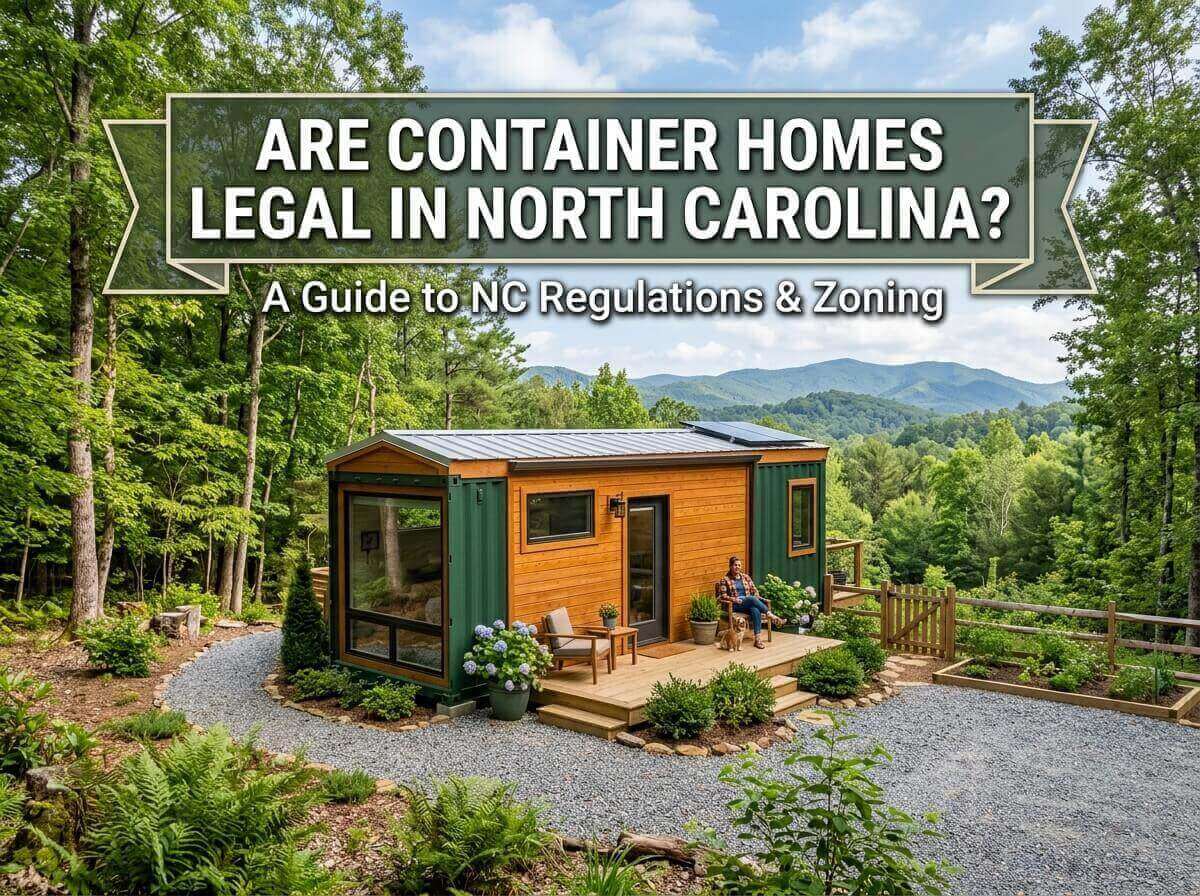
Are Container Homes Legal in North Carolina? A Complete Guide to Rules and Regulations
As modern alternative housing continues to surge in popularity, more buyers are turning to eco-friendly, cost-effective options like prefab houses, modular buildings, and repurposed shipping containers. If you are considering building or installing a shipping container house in the Tar Heel State, your first major hurdle is likely a practical one: Are container homes legal in North Carolina?
The short answer is yes, container homes are legal in North Carolina. However, getting your project approved requires adhering to state building codes, local zoning laws, and municipal land-use ordinances. Here is everything you need to know to make your container house project fully compliant and stress-free.
Understanding North Carolina Building Codes for Container Houses
In North Carolina, a container home is classified as a single-family dwelling once converted for residential use. This means it must comply with the North Carolina State Building Code, which is adapted from the International Residential Code (IRC).
To legally reside in a container home in NC, your build must meet specific standards, including:
- Structural Integrity: Modifying shipping containers by cutting openings for doors and windows weakens the steel structure. You will need engineered plans demonstrating that the modified structure can safely support roof loads, wind, and potential seismic forces.
- Thermal Insulation: Steel conducts heat and cold rapidly. To comply with NC energy efficiency standards, your container home must have adequate insulation (R-value requirements vary depending on whether you are building in the coastal plain, piedmont, or mountain region).
- Safety & Systems: All electrical, plumbing, HVAC, and fire safety systems must be installed according to state trade codes and inspected by local officials.
- Egress and Ceiling Heights: Habitable rooms must satisfy minimum ceiling height and emergency egress requirements (such as minimum window sizes in bedrooms).
Navigating Local Zoning and Land Use Ordinances
While state building codes ensure safety, local zoning laws determine where you can build a container house or place portable buildings. Zoning regulations vary significantly by city and county across North Carolina.
Urban vs. Rural Zoning
Densely populated cities like Charlotte, Raleigh, and Asheville often have strict zoning codes regarding single-family residential design. In contrast, rural counties may have fewer restrictions, making it easier to permit non-traditional structures. Always consult your local planning and zoning department before purchasing land.
Minimum Square Footage Requirements
Some municipalities enforce minimum square footage rules for residential dwellings. If you plan to build a single 20-foot or 40-foot shipping container house, ensure the local zone allows micro-housing or tiny homes on permanent foundations.
Deed Restrictions and HOA Rules
Even if municipal zoning permits alternative housing, private land restrictions like Homeowners Association (HOA) covenants may prohibit steel exteriors, non-traditional architecture, or modular accessory dwelling units (ADUs). Always review property deeds carefully.
Steps to Build a Compliant Container Home in NC
- Select the Right Property: Verify that your parcel is zoned for single-family residential use and allows non-traditional housing.
- Consult a Licensed Engineer or Architect: Building departments in NC generally require stamped blueprints from a state-licensed professional to verify structural modifications.
- Prepare a Permanent Foundation: To be classified as a permanent residential home (rather than a temporary portable building), your container house must be anchored to a recognized foundation, such as a concrete slab, pier, or full basement.
- Pull Necessary Permits: Apply for building, electrical, plumbing, and mechanical permits with your county or city permit office.
Why Prefab and Modular Container Homes Simplify the Process
Designing a DIY container home from scratch can involve complicated engineering reviews and lengthy permitting processes. For many buyers, choosing factory-built prefab houses or modular container homes is a faster, safer alternative.
Prefabricated modular units are built off-site in controlled factory settings and designed specifically to meet state building codes. Because manufacturers provide pre-approved structural drawings and built-in insulation, obtaining local building permits becomes significantly easier.
Conclusion
Container homes are entirely legal in North Carolina, provided you do the necessary groundwork regarding state building codes and local zoning regulations. Whether you want to assemble a custom multi-container property, install a modern prefab house, or add a portable building for extra space, proper planning is key to success.
Looking for reliable alternative housing solutions? Explore high-quality prefab houses, modular buildings, and modern container house designs tailored to your needs at Trademola.com.