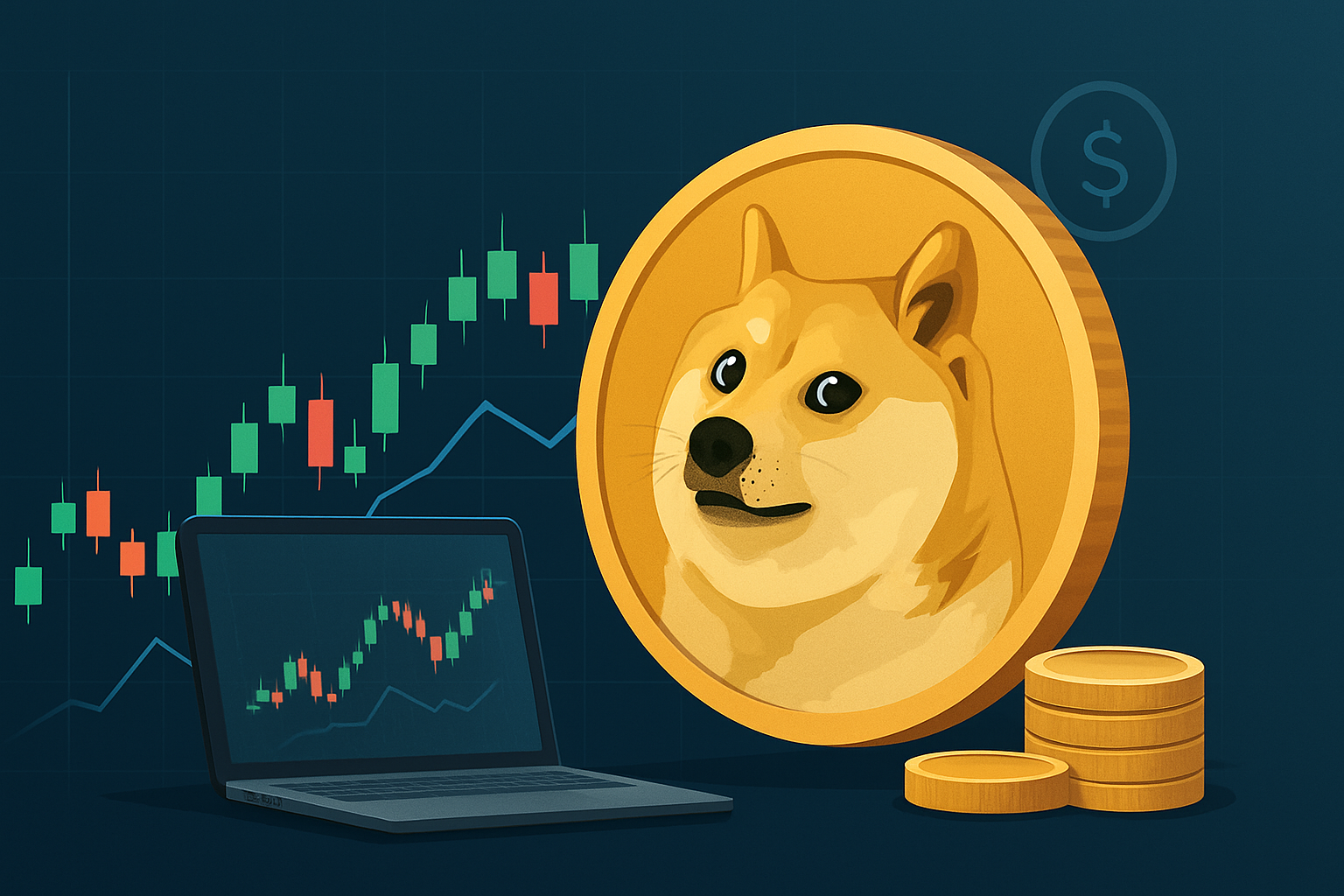
Dogecoin (DOGE) History: How Did a Meme Become a Crypto Giant?
Today, cryptocurrency trading stands as a powerful force alongside traditional forex trade in the global financial ecosystem. However, if you rewind to late 2013, the digital asset landscape was vastly different. While Bitcoin was establishing its reputation as digital gold, a lighthearted project featuring a viral Shiba Inu meme suddenly captured the world’s attention. That digital asset was Dogecoin (DOGE).
Understanding the history of Dogecoin is not just an entertaining story—it provides crucial lessons about market sentiment, community power, and liquidity dynamics for anyone exploring new pathways to online earning. At Trademola.com, we break down how Dogecoin transformed from an internet joke into a multi-billion-dollar market leader.
The Origins of Dogecoin: A Joke That Changed Crypto History
In December 2013, the crypto market was undergoing a wave of speculative altcoin launches. Observing the hype surrounding these new tokens, Jackson Palmer, an Australian product manager at Adobe, made a lighthearted tweet about launching “Dogecoin”—combining digital currency with the popular “Doge” internet meme.
The tweet resonated immediately across social platforms. Encouraged by the viral reaction, Palmer registered the domain dogecoin.com. Shortly after, Billy Markus, an IBM software engineer based in Oregon, discovered the website. Markus had been searching for an approachable, friendly cryptocurrency that could reach a broader demographic than the highly technical Bitcoin community.
The Technical Foundation Behind DOGE
Markus reached out to Palmer, and the two teamed up to build the currency. Within just three hours of coding, Dogecoin was officially launched on December 6, 2013. To create the technical framework, Markus adapted the open-source code of Luckycoin, an existing altcoin that derived its structure from Litecoin.
Unlike Bitcoin, which relies on a capped supply of 21 million coins, Dogecoin was engineered with an inflationary tokenomics model. The protocol produces 10,000 new DOGE every minute with no ultimate supply ceiling. This design choice was made intentionally to encourage active circulation and tipping rather than speculative hoarding.
Why Was Dogecoin Created?
While the initial motivation behind Dogecoin was satire, it inadvertently solved a major problem in early digital finance: user accessibility and entry barriers. In 2013, acquiring Bitcoin was complex and expensive, creating a steep learning curve for everyday users interested in modern financial assets.
Dogecoin provided a low-cost, friendly gateway for beginners entering cryptocurrency trading. It quickly became the primary micro-tipping token on Reddit and Twitter, allowing users to instantly send small monetary rewards to content creators. This active micro-transaction network gave thousands of digital creators their first practical experience with digital wallets and peer-to-peer payments, establishing a new avenue for micro online earning.
Key Milestones in Dogecoin’s Market Rise
Dogecoin’s transition from a niche internet token to a top-tier asset was driven by several monumental events:
- Charitable Initiatives (2014): The DOGE community established a tradition of crowd-funding, raising thousands of dollars to send the Jamaican Bobsled team to the Winter Olympics and funding clean water wells in Kenya.
- Viral Social Media Adoption (2020): A viral trend on video platforms introduced a new demographic of retail investors to the asset, demonstrating how social volume directly influences altcoin price action.
- Mainstream Media & Endorsements (2021): High-profile endorsements from business leaders like Elon Musk propelled DOGE to an all-time high of nearly $0.74 in May 2021, driving its market capitalization past $80 billion.
What Dogecoin Teaches Forex and Crypto Traders
For individuals accustomed to analyzing macroeconomic metrics in forex trade markets, Dogecoin offers a masterclass in market psychology and volatility management. Traditional currency pairs react to central bank policies, interest rates, and trade balances. In contrast, meme assets like DOGE show how retail demand, social media momentum, and market sentiment can temporarily override fundamental models.
Whether you practice short-term swing strategies or long-term portfolio diversification, analyzing Dogecoin’s historical price cycles helps traders build superior risk management frameworks across all financial markets.
Master Financial Markets with Trademola.com
The history of Dogecoin shows that valuable market opportunities can arise from unexpected origins. Success in the modern economy requires a deep understanding of market trends, risk strategies, and emerging technology. Visit Trademola.com today to access expert insights, market analysis, and actionable guides on forex trade, high-yield crypto strategies, and sustainable online earning solutions.