

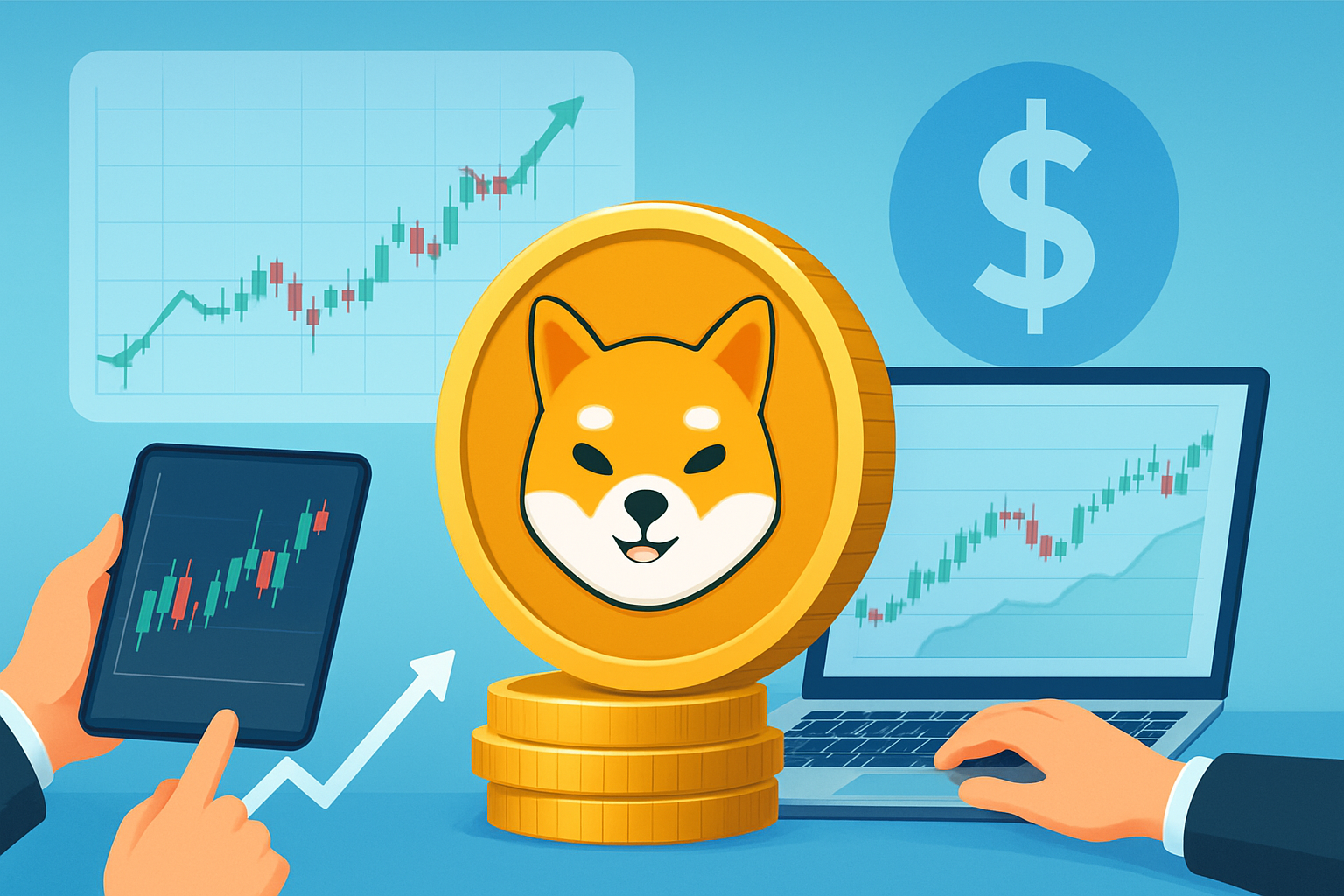
Shiba Inu (SHIB) History: How Did SHIB Start and Become a Crypto Phenomenon?
In the fast-evolving world of cryptocurrency trading, few digital assets have captured global attention quite like Shiba Inu (SHIB). What began as an experimental meme coin quickly transformed into a multi-billion-dollar ecosystem, making headlines alongside established financial assets and traditional forex trade markets. But how did SHIB actually start, and what key lessons can modern traders learn from its explosive rise? Here is a complete look at the origin story of Shiba Inu.
The Mysterious Launch of Shiba Inu in 2020
In August 2020, an anonymous individual or group operating under the pseudonym “Ryoshi” created Shiba Inu. Launched on the Ethereum network, SHIB entered the market with an ambitious self-proclaimed title: the “Dogecoin Killer.” Unlike traditional currencies traded in the forex trade market that rely on central banks, SHIB was launched as a pure experiment in decentralized, community-driven ecosystem building.
The Unique Tokenomics and Initial Supply
Ryoshi initially minted a staggering total supply of 1 quadrillion SHIB tokens. To create a fair distribution model and establish decentralized liquidity:
- 50% of the Supply: Locked into Uniswap to provide initial market liquidity.
- 50% of the Supply: Sent directly to Ethereum co-founder Vitalik Buterin’s public wallet address.
The Turning Point: Vitalik Buterin’s Landmark Move
For several months after its launch, SHIB traded at fractions of a cent with minimal volume. However, the history of Shiba Inu changed dramatically in May 2021. In an unexpected move that dominated global financial news, Vitalik Buterin took action with his 500 trillion SHIB tokens.
Buterin burned 90% of his SHIB holdings—worth roughly $6.7 billion at the time—by sending them to a dead wallet address, permanently taking them out of circulation. He donated the remaining 10% to an Indian COVID-19 relief fund. This unprecedented event drastically reduced the circulating supply, sparked widespread hype, and attracted millions of newcomers exploring online earning opportunities through digital assets.
Evolution: From Meme Token to Utility Ecosystem
Recognizing that long-term survival in cryptocurrency trading requires practical utility, the Shiba Inu development team actively expanded the token’s ecosystem beyond mere speculative trading:
- ShibaSwap: A decentralized exchange (DEX) where users can swap tokens, stake assets, and earn passive yield.
- Shibarium: A dedicated Layer-2 network designed to lower transaction fees and increase processing speeds on the Ethereum blockchain.
- Ecosystem Tokens: The introduction of complementary tokens like LEASH and BONE to power governance and decentralized finance (DeFi) mechanisms.
Strategic Insights for Crypto and Forex Traders
Whether your primary focus is spot cryptocurrency trading, traditional currency pairs in forex trade, or modern avenues for online earning, studying SHIB’s trajectory offers essential market insights:
1. Market Sentiment Drives Momentum: Unlike major fiat currency pairs that react to central bank interest rates, speculative tokens often move on viral community sentiment and social media dynamics.
2. Risk Management is Essential: Assets with extreme volatility present significant profit opportunities, but they also carry severe downside risk. Using strategic stop-loss orders and managing position sizes is critical when trading highly volatile tokens.
3. Diversification Matters: Balancing high-risk speculative tokens with stable income strategies or low-volatility forex pairs helps protect capital while maintaining growth potential.
Conclusion
The history of Shiba Inu demonstrates how a decentralized community can build a massive financial movement out of a simple meme concept. By shifting from pure speculation to real-world utility through Shibarium and DeFi applications, SHIB secured its place in crypto history. For traders on Trademola, understanding historical market cycles like SHIB’s enables smarter decision-making across both digital asset and foreign exchange markets.