

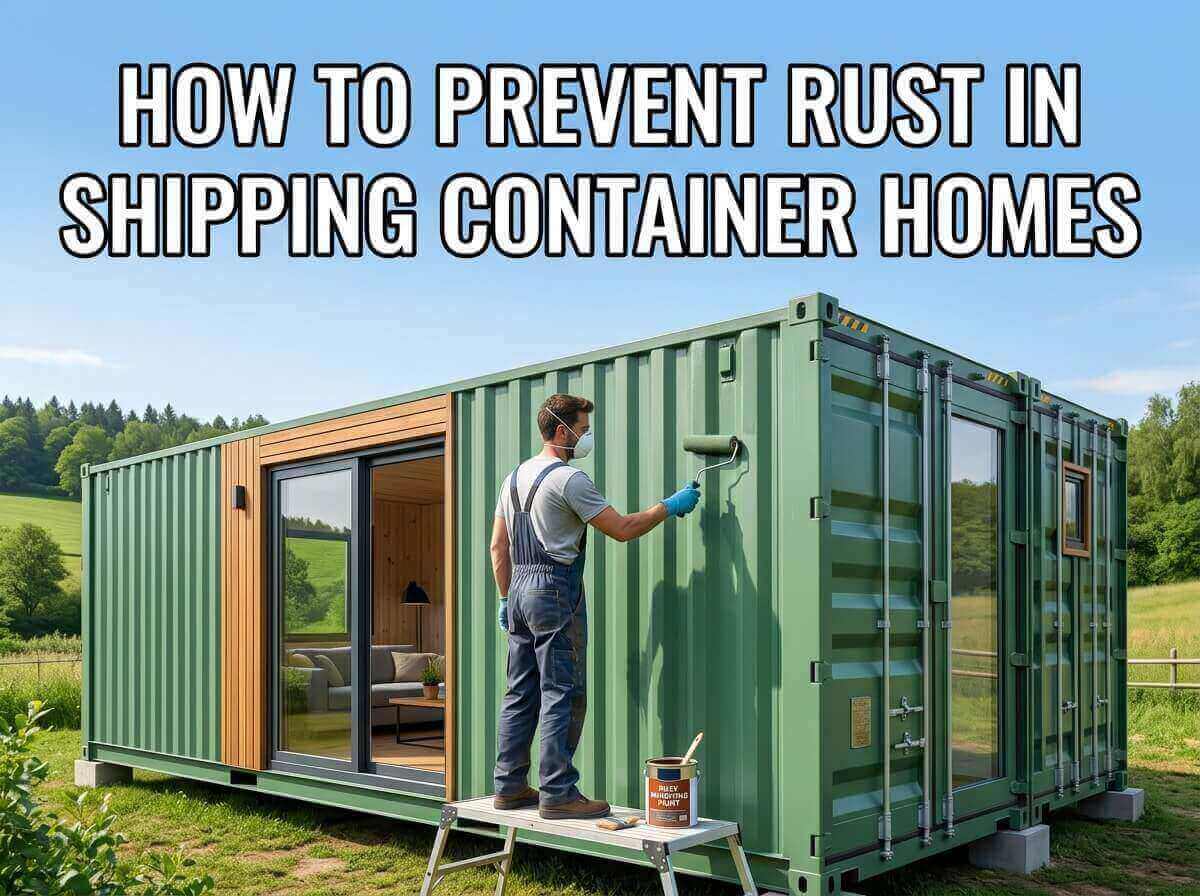
How to Prevent Rust in Shipping Container Homes: The Ultimate Maintenance Guide
Shipping container homes have taken the modern architectural world by storm. Offering an unmatched blend of durability, affordability, and eco-friendly design, these structures have evolved far beyond basic storage units. Today, container houses represent a cutting-edge sector of the alternative housing market, sitting alongside prefab houses, modular houses, and portable buildings as smart, versatile solutions for residential and commercial spaces alike.
However, despite their immense structural strength, shipping container homes face one relentless opponent: rust. Because these structures are crafted primarily from steel, moisture exposure can inevitably lead to oxidation if left unmanaged. Corrosion not only compromises the visual appeal of your home but can also threaten its long-term structural integrity.
At Trademola, we believe that understanding how to protect your investment is essential to enjoying a safe, beautiful, and long-lasting home. Whether you are planning a DIY build, purchasing a turn-key modular container unit, or maintaining existing portable buildings, this comprehensive guide will walk you through proven strategies to prevent, treat, and control rust in shipping container homes.
Understanding Corten Steel and Why Rust Occurs
To effectively combat rust, it is crucial to understand what container structures are made of. Most modern shipping containers are built using Corten steel (also known as weathering steel). This specialized alloy is engineered to form a stable, rust-like appearance on its outer surface when exposed to the elements, which actually serves as a protective barrier against deeper corrosion.
So, why do container houses still rust?
When containers are modified into living spaces—through cutting openings for windows, welding joints, or adding doors—the original factory-applied protective layer is disrupted. Exposed raw steel edges, combined with trapped moisture, salt air, or harsh climatic conditions, accelerate the oxidation process. Over time, surface rust can degrade into structural rust, creating holes and weakening the frame of your modular home.
Surface Rust vs. Structural Rust
Not all rust is created equal. Distinguishing between the two main types helps you respond appropriately:
- Surface Rust: This is a mild, superficial layer of oxidation that forms on exposed metal. It affects the aesthetic finish but does not penetrate deep into the metal. Surface rust is common around scratches or newly cut edges and is relatively easy to treat.
- Structural Rust: This occurs when surface rust is ignored over long periods. Moisture penetrates deep into the metal, causing flaking, pitting, and structural deterioration. Fixing structural rust requires heavy grinding, welding, or replacing entire steel sections.
Essential Pre-Construction Strategies for Rust Prevention
The best way to deal with rust is to stop it before it starts. Proper design, smart site preparation, and strategic modifications during the initial phase will save you thousands of dollars in repairs later.
1. Choose the Right Foundation and Elevate the Structure
Direct contact between steel and wet ground is a fast track to severe corrosion. When designing your container house or positioning portable buildings, foundation selection is critical. Elevating your home off the ground prevents standing water from soaking into the bottom rails and undercarriage.
Popular, rust-conscious foundation choices include:
- Concrete Piers: Elevates the container while allowing excellent airflow underneath, keeping the base dry.
- Strip Foundations: Provides solid support along load-bearing edges while maintaining clear space beneath the structure.
- Steel Stilts or Screw Piles: Ideal for sloped terrain, lifting the entire structure away from ground moisture and runoff.
2. Design Proper Roof Pitch and Water Drainage
Original shipping containers feature flat roofs. While they are engineered to stack on cargo ships, a flat surface easily traps rainwater, falling leaves, and debris. Standing water on a steel roof will eventually wear down protective paint coatings and cause severe pitting.
To overcome this issue, consider implementing these design features during construction:
- Add a Secondary Sloped Roof: Building a gabled, pitched, or shed roof over your container home is one of the most effective ways to shed water instantly. This approach is widely used in high-end prefab houses and modular buildings.
- Incorporate Gutters and Downspouts: Channel rainwater far away from the foundation and walls of your home.
- Seal Roof Seams and Joints: Apply heavy-duty waterproof membrane materials or silicone-based marine sealants over any welds or joints.
Selecting the Best Anti-Rust Coatings and Paints
The barrier between your steel structure and environmental moisture is its paint system. Standard exterior paint will not suffice for steel container houses; you need high-performance, marine-grade protective systems.
1. Zinc-Rich Primers
Zinc-rich primers offer cathodic protection, meaning the zinc intentionally corrodes prior to the underlying steel. Applying a quality zinc primer creates a sacrificial barrier that shields cut edges, weld seams, and exposed metal surfaces from moisture intrusion.
2. Epoxy Primers and Marine Enamels
Epoxy coatings create an extremely tough, non-porous layer that binds tightly to metal. Following a zinc primer with an epoxy basecoat and finishing with a UV-resistant polyurethane or marine-grade enamel ensures maximum protection against harsh sun, heavy rain, and coastal air.
3. Ceramic Thermal Elastomeric Coatings
Ceramic coatings serve a dual purpose in container home design. Not only do they reflect UV radiation—reducing solar heat gain—but they also cure into a seamless, flexible rubberized membrane. This flexible barrier expands and contracts with atmospheric temperature shifts, preventing hairline cracks where moisture might seep in.
Moisture and Condensation Control Inside Container Buildings
Rust does not only form on the outside of your container; interior corrosion is a silent threat caused by condensation. Because steel is an exceptional heat conductor, temperature differences between the indoors and outdoors lead to moisture buildup on the inner metal walls—a phenomenon known as “container rain.”
1. Closed-Cell Spray Foam Insulation
When building modular houses or container spaces, insulation selection is paramount. Closed-cell spray foam insulation is widely considered the gold standard for container houses. Unlike traditional fiberglass or mineral wool, spray foam adheres directly to the steel corrugated walls, completely eliminating any air gaps where condensation could form. Additionally, closed-cell foam acts as a built-in vapor barrier.
2. Installing Proper Vapor Barriers
If you choose alternative insulation methods, such as panel insulation, you must install a continuous, high-quality vapor barrier on the warm side of the insulation layer. Any tear in the vapor barrier allows humid air to reach the cold steel sheet, leading to hidden interior rust.
3. High-Efficiency Ventilation and HVAC Systems
Maintaining balanced interior humidity levels is essential for long-term home health. Integrate mechanical ventilation options into your floor plan:
- Install ERVs (Energy Recovery Ventilators) or HRVs (Heat Recovery Ventilators) to exchange stale indoor air with fresh outdoor air while managing humidity.
- Use dehumidifiers in damp microclimates or during rainy seasons.
- Ensure kitchen hoods and bathroom exhaust fans vent directly outdoors rather than into roof voids.
How to Identify and Treat Existing Rust
Even with proactive measures, routine wear and tear can reveal occasional rust spots over time. Spotting these early allows for quick, simple fixes before structural integrity is affected.
Step-by-Step Guide to Treating Surface Rust
- Safety First: Put on protective safety goggles, a dust mask, and heavy work gloves.
- Clean the Surface: Wash the target area with a grease-cutting detergent and water to remove dirt, oil, and atmospheric salts. Allow it to dry completely.
- Mechanically Remove Rust: Use a wire brush, sander, or angle grinder equipped with a flap disc to remove all flaking paint and loose rust. Grind down until clean, shiny steel is visible.
- Apply a Chemical Rust Converter: If microscopic rust particles remain in pitted areas, apply a phosphoric acid-based rust converter. This chemical transforms iron oxide into a stable, paintable dark iron phosphate layer.
- Prime and Seal: Apply a coat of zinc-rich or epoxy primer immediately after the converter cures to prevent flash rusting.
- Topcoat: Apply two coats of high-grade exterior metal paint matching your container home’s finish.
Routine Maintenance Checklist for Container Homes and Portable Buildings
Maintaining a rust-free container house requires ongoing attention. Following a simple seasonal maintenance checklist will keep your modern home looking brand new for decades.
- Bi-Annual Visual Inspection: Inspect your home every spring and fall. Pay extra attention to roof corners, door seams, window frames, and the lower base rails.
- Clear Debris Promptly: Remove fallen leaves, branches, and dirt pockets from the roof and gutter systems. Trapped damp debris speeds up paint deterioration.
- Check Seals and Caulking: Inspect exterior caulking around windows, doors, and roof penetrations (like vents or chimneys). Re-apply sealant if cracking or shrinkage is detected.
- Wash Exterior Walls: Pressure-wash or hose down exterior surfaces annually, especially if you live near saltwater coastlines, to wash away salt deposits and airborne pollutants.
- Touch-Up Scratches Immediately: Keep a small can of matching touch-up paint and primer on hand to treat minor scratches or chips as soon as they happen.
Build Smart with Trademola
Preventing rust in shipping container homes is not difficult, but it does require thoughtful design, quality materials, and consistent maintenance. From choosing an elevated pier foundation and applying high-performance zinc coatings to installing closed-cell insulation and managing moisture, taking these steps guarantees your alternative living space remains secure, efficient, and visually stunning.
At Trademola, we specialize in high-quality modular buildings, prefab houses, container homes, and portable buildings engineered for long-term performance. Whether you are looking for structural advice, pre-engineered building solutions, or customizable designs built to withstand the elements, our team is here to help you bring your dream project to life. Contact Trademola today to explore our full range of modern prefabricated structures!